
Nurturing Discipleship in Your Community
Discipleship is more than a mere educational endeavor; it is a transformative journey that shapes individuals and their communities. In a world filled with distractions and fragmented relationships, cultivating a strong discipleship culture becomes essential for fostering spiritual growth and connection among believers. By intentionally investing in the discipleship process, we can create environments that nurture faith, encourage accountability, and promote a sense of belonging.
The Importance of Community Context
Defining what discipleship looks like in your specific community context is crucial. This involves understanding the unique needs, challenges, and dynamics of your community. By doing so, you can tailor your approach to discipleship, ensuring it resonates with the individuals involved. Engaging with seasoned believers who can mentor new disciples is a practical way to build these relationships, fostering a supportive network that encourages growth and accountability.
Incorporate prayer and Bible study into community activities. This not only strengthens relationships but also deepens the spiritual foundation of your community.
Evaluating the impact of your discipleship initiatives is vital. Regular feedback and adjustments can ensure that your approach remains relevant and effective. This ongoing process of reflection and adaptation not only enhances the discipleship experience but also reinforces the commitment of both mentors and mentees.
Discipleship is a transformative journey that shapes individuals and their communities.— KFC International
Cultivating Discipleship in Your Community
To effectively cultivate discipleship within your community, it is essential to first define what discipleship looks like in your specific context. Discipleship is not just about teaching; it involves fostering a deep, relational journey of faith where individuals grow in their understanding of the Gospel and actively apply it in their lives.
Establishing clear definitions and expectations can help create a unified vision. This vision should encompass the values and goals of your community, ensuring that everyone understands their role in the discipleship process.
Developing a Mentorship Plan
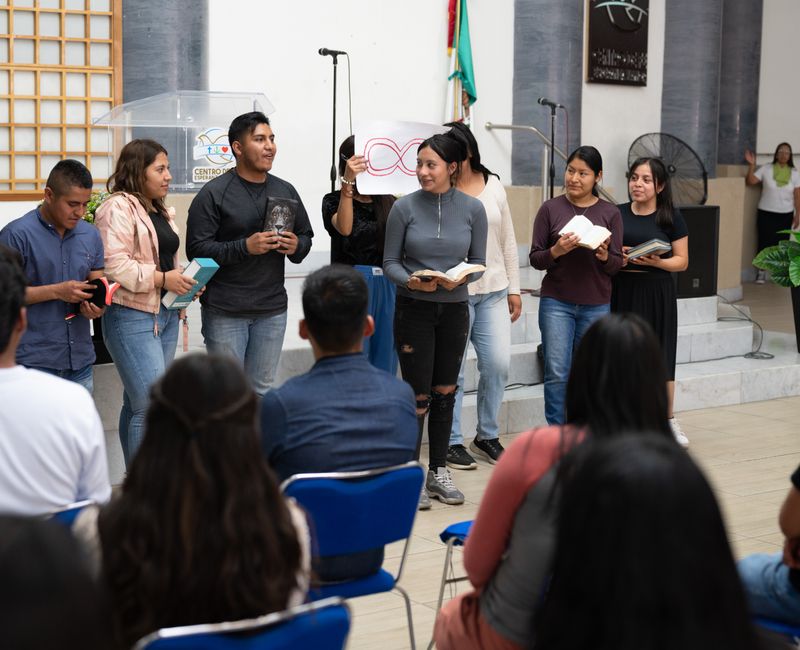
An effective way to support new disciples is by creating a mentorship plan that pairs seasoned believers with those who are newer to the faith. This one-on-one relationship allows for personalized guidance and accountability, helping newcomers navigate their spiritual growth.
Incorporate prayer and Bible study into community activities to strengthen relationships and deepen understanding. Regular gatherings that focus on scripture can foster an environment of support and shared learning, creating bonds that enhance the discipleship experience.
Evaluating Discipleship Efforts
Finally, it is vital to evaluate the impact of your discipleship initiatives through regular feedback and adjustments. This may involve surveys, discussions, or informal check-ins that allow participants to express their experiences and suggest areas for improvement. By being open to feedback, your community can adapt and grow, ensuring that the discipleship process remains relevant and effective.
Discipleship is a journey best taken together, fostering relationships that encourage growth and accountability.
Strategies for Effective Discipleship in Your Community
Defining Discipleship in Context
To cultivate effective discipleship, it is essential to define what it looks like within the unique context of your community. Consider the specific needs, cultural backgrounds, and spiritual maturity levels of the individuals involved. This tailored approach ensures that discipleship is relevant and engaging, fostering a deeper connection among participants.
Creating a Mentorship Plan
A mentorship plan can be a cornerstone of your discipleship efforts. Pair seasoned believers with new disciples to facilitate one-on-one interactions, fostering growth and accountability. This relationship not only encourages spiritual development but also creates a supportive environment where questions can be asked and experiences shared.
Incorporating Prayer and Bible Study
Integrate prayer and Bible study into community activities. Organize regular gatherings focused on scripture exploration and collective prayer, as these moments strengthen relationships and deepen faith. By encouraging open discussions and shared insights, participants can learn from one another and build a strong foundation for their faith journeys.
Evaluating Discipleship Impact
Regularly evaluate the impact of your discipleship efforts. Gather feedback from participants to understand what is working and what may need adjustment. This reflective practice ensures that the discipleship process remains dynamic and responsive to the evolving needs of your community.
Discipleship thrives in environments where relationships are nurtured through prayer, study, and accountability.— KFC International
Common Misunderstandings in Discipleship
While the concept of discipleship is integral to the Christian faith, there are several misconceptions that can hinder its effective practice within communities. Understanding these pitfalls is crucial for fostering a healthy environment for spiritual growth.
Misconception 1: Discipleship is a One-Time Event
Many view discipleship as a single program or event rather than a continuous journey. This misconception can lead to a lack of ongoing support for new believers, ultimately stunting their growth and engagement in the faith.
Misconception 2: Only Leaders Can Disciple
Another common mistake is the belief that only church leaders or pastors are responsible for discipleship. In reality, every member of the community plays a role, and peer mentoring can be incredibly effective in fostering deeper relationships.
Misconception 3: Discipleship is Solely Academic
Some people may think that discipleship revolves around study and knowledge alone. While teaching is vital, discipleship should also encompass relationships, accountability, and practical application of faith in everyday life.
Neglecting the relational aspect of discipleship can lead to disconnection and disengagement among community members.
Misconception 4: Feedback is Unnecessary
Lastly, many overlook the importance of evaluating discipleship efforts. Regular feedback is essential to understand what is working and what needs adjustment, ensuring that the community continues to thrive in its spiritual journey.
Practical Steps to Enhance Discipleship
1. Define Discipleship in Your Context
To cultivate meaningful discipleship within your community, start by defining what discipleship looks like in your specific context. This includes understanding the spiritual needs, cultural backgrounds, and existing relationships among community members. For example, a small rural church might focus on building close-knit relationships through shared activities, while an urban community may prioritize outreach initiatives to engage new believers.
2. Create a Mentorship Plan
Establish a mentorship program that pairs seasoned believers with new disciples. This can involve regular one-on-one meetings where mentors guide their mentees in spiritual growth, provide support, and help them navigate challenges. For instance, a successful mentorship might see older members sharing their testimonies and experiences in small group settings, fostering trust and openness.
3. Incorporate Prayer and Bible Study
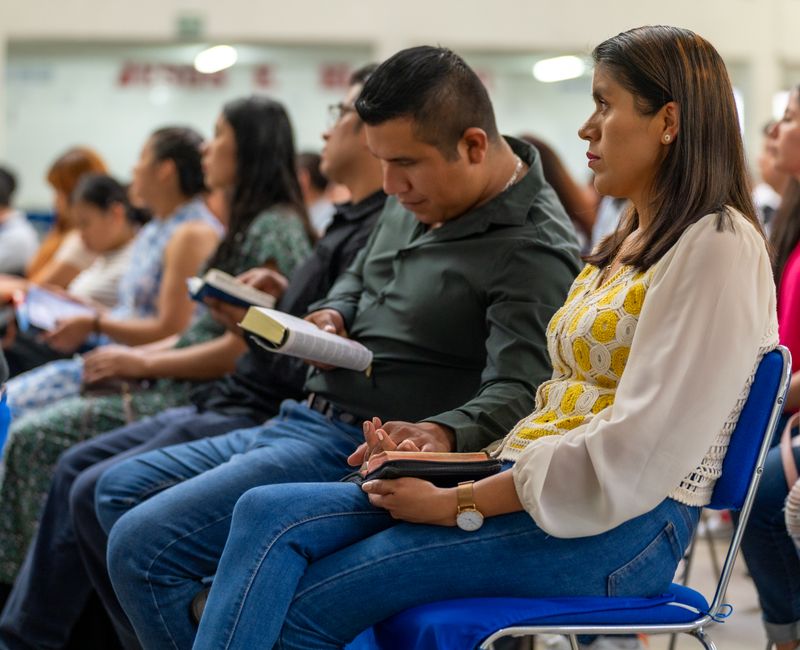
Integrate prayer and Bible study into community activities to deepen relationships. Organize regular Bible study sessions that encourage discussion and sharing of insights. For example, launching a weekly prayer group can create a safe space for members to express their needs and build camaraderie through collective prayer.
4. Evaluate and Adjust
Regularly assess the effectiveness of your discipleship efforts through feedback from participants. Utilize surveys or informal discussions to gather insights on what is working and what can be improved. By being open to adjustments, you can ensure that your approach to discipleship remains relevant and impactful.
Strategies for Effective Discipleship Cultivation
Cultivating discipleship within your community requires a strategic approach tailored to your specific context. Understanding what discipleship means in your community is the first step. It involves fostering spiritual growth, encouraging accountability, and nurturing relationships among believers.
Defining Discipleship
In your community, define discipleship by assessing the unique spiritual needs and cultural dynamics of your members. This could involve holding discussions or surveys to gather insights, ensuring that your definition resonates with everyone involved.
Creating a Mentorship Plan
Establishing a mentorship plan is crucial for connecting seasoned believers with new disciples. This can be achieved through pairing individuals based on shared interests or backgrounds, and creating structured meeting times where they can discuss faith and life experiences.

Incorporating Prayer and Bible Study
Integrating prayer and Bible study into community activities not only deepens faith but also strengthens relationships. Consider organizing weekly gatherings focused on these practices, creating a rhythm that encourages participation and spiritual growth.
Evaluating Discipleship Efforts
Finally, to ensure the effectiveness of your discipleship initiatives, implement a system for regular feedback. This could involve surveys or informal check-ins to evaluate what is working and where adjustments are needed, fostering an environment of continuous improvement.
Discipleship is not a program; it's a lifestyle of growth and connection.— Anonymous
Embrace a Transformative Journey
In a world that often feels fragmented, cultivating discipleship within your community stands as a powerful testament to the transformative work of faith. By prioritizing relationships and spiritual growth, you can create an environment where individuals not only learn but also live out the teachings of Christ. Through mentorship, shared prayer, and collective study of the Scriptures, you nurture a community that embodies love, support, and unwavering faith.
Every step you take in fostering discipleship is an investment in the future of your community. The fruits of these efforts—strengthened relationships, increased understanding of the Gospel, and a deeper commitment to living out one’s faith—will not only enrich the lives of individuals but also reverberate throughout your community, creating a ripple effect of hope and purpose.
Discipleship is a journey of transformation, not a destination.
As you embark on this journey, remember the importance of regular evaluation. Gathering feedback will allow you to fine-tune your approach and ensure that your discipleship initiatives are meeting the needs of your community. This adaptive mindset is crucial for sustaining growth and fostering resilience in your efforts.